Biometrics & CURP: A New Era for Expats in Mexico
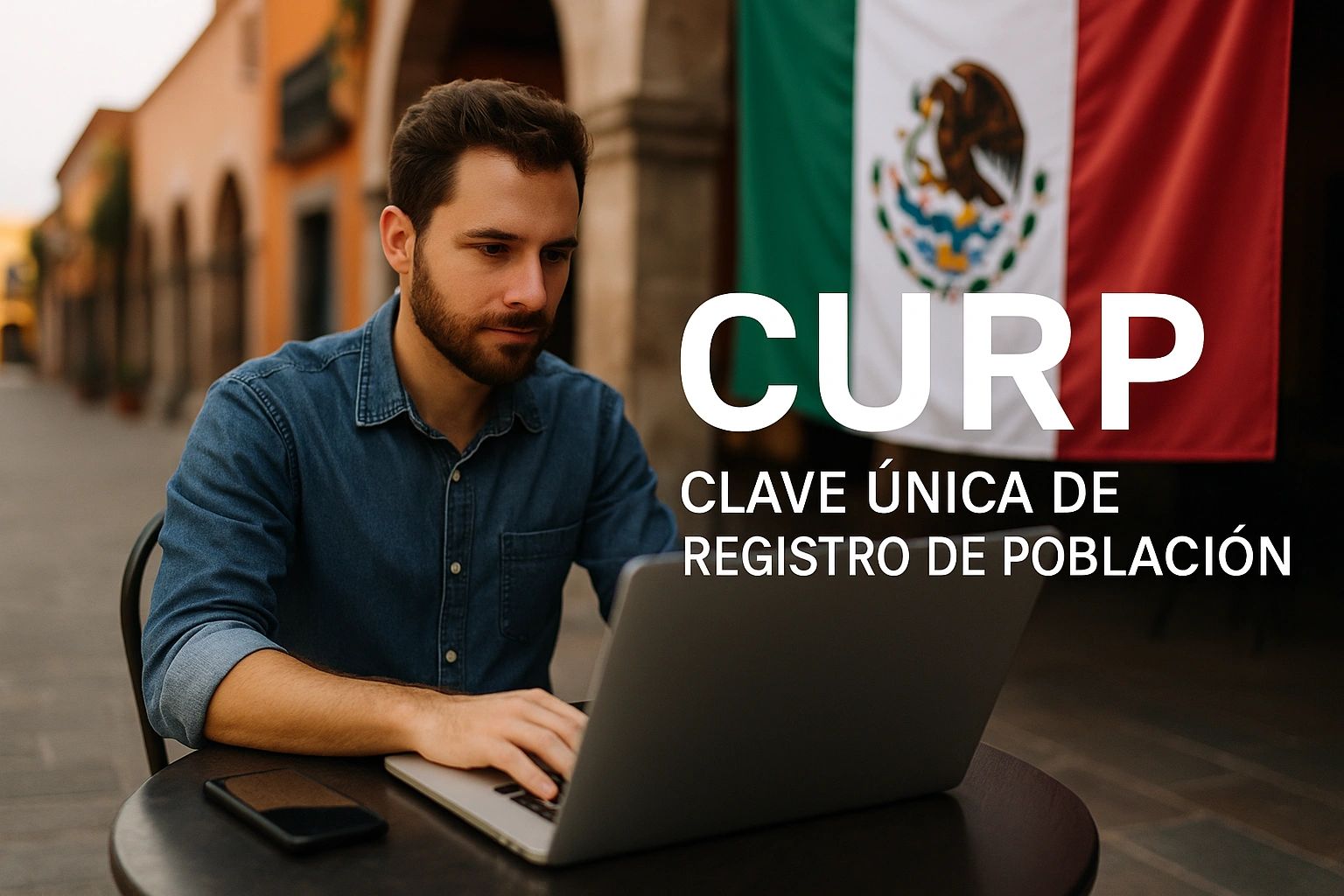
A sweeping new regulation in Mexico is about to change daily life — and tax compliance — for both Mexican citizens and foreign residents.
Under Mexican law, any individual who resides in Mexico — regardless of nationality or immigration status — is considered a tax resident. This means global income is subject to Mexican taxation. In practice, however, many foreigners working remotely from Mexico have operated in a legal gray zone, enjoying life in Mexico without formally registering with the Servicio de Administración Tributaria (SAT) or paying income taxes locally.
That loophole is closing — quickly and decisively.
What Is the New CURP Law?
The CURP (Clave Única de Registro de Población) is Mexico's personal identification number, similar to a Social Security Number in the U.S. Until now, it has mostly been used for immigration, healthcare, and administrative purposes.
Under new federal regulations — part of Mexico's push for universal tax compliance and digital traceability — every individual living in Mexico will now be required to use their CURP in all economic transactions, including:
- Buying groceries
- Renting an apartment
- Subscribing to Netflix, Amazon, or any online service
- Paying for utilities or cellphone plans
- Banking, e-commerce, transportation apps, etc.
In short: every peso you spend in Mexico will now leave a CURP-linked digital trail.
Biometric Enforcement Is Coming
As part of this CURP overhaul, the Mexican government is also integrating biometric data — including fingerprints — into each individual's CURP profile. Some government agencies and businesses already collect this information, and many are now using fingerprint scanners at checkout to verify customer identity. If you're a tourist, the system will reflect that, and you'll be good to go. But if you're a resident or a citizen, the system will record your transaction as part of your digital footprint.
This means your CURP will not only track spending but will also be tied to your physical identity and your physical presence. Economic activity will become both digitally and biometrically traceable.
This is not a future possibility. Businesses like Smart Fit across Mexico already require both your CURP and a digital fingerprint scan — and many others are following suit. The goal is to eliminate fraud, close compliance gaps, and ensure full fiscal transparency.
Strict Penalties for Non-Compliance
Businesses that fail to require and register customers' CURPs will face fines in the millions of pesos. This is established in Article 84, Section I-B of the Mexican Federal Tax Code (Código Fiscal de la Federación), which outlines penalties for non-compliance in digital tax infrastructure implementation.
What Does This Mean for Foreigners with Temporary or Permanent Residency?
This law is a game-changer for digital nomads, remote workers, and retired expats. Here's why:
- You can no longer "fly under the radar." If you live in Mexico and spend money here using your CURP — which will be required everywhere — the government can easily calculate how much you're spending.
- SAT can now cross-reference your spending with your tax returns. If you're spending more than you're declaring, you're immediately flagged.
- Working remotely does not exempt you from taxes. Even if your clients are abroad, your physical presence in Mexico makes you a tax resident under Mexican law.
SAT Is Closing the Loopholes
The SAT (Mexico's tax authority) has long struggled to enforce compliance among foreigners and even some nationals. This new system is part of a broader national digitalization campaign — merging fiscal, immigration, and financial data into a transparent, traceable, and enforceable network.
What Should You Do Now?
If you're a foreigner living in Mexico with temporary or permanent residency:
- Consult a qualified tax advisor in Mexico.
- Register properly with SAT and obtain your RFC (Registro Federal de Contribuyentes) — a tax ID linked to your CURP.
- Declare your income and become compliant — especially if you earn money remotely.
- Avoid the risk of back taxes, audits, and criminal penalties.
Final Thoughts
This new CURP-based enforcement isn't about targeting foreigners — it's about creating a modern, efficient, and fair tax system. But for those who've lived comfortably outside that system, it's a wake-up call.
Tax compliance in Mexico is no longer optional — it's traceable. If you reside in Mexico, even part-time, now is the time to get your tax affairs in order.
A Word on Privacy
Whether you're a retiree, remote worker, or entrepreneur living in Mexico, it's important to understand the growing digital and biometric footprint you're leaving behind.
Legal References
- Código Fiscal de la Federación (CFF), Art. 9, 42, 84, fraction I-B
- Ley del Impuesto Sobre la Renta (LISR), Art. 9
- Diario Oficial de la Federación (DOF), reforms published in 2024–2025
- SAT Technical Standards (CFDI 4.0, CURP digital matching requirements)
This article is general information and is not legal or tax advice for any particular matter. Laws change and every situation differs. Speak to a professional before acting on it.