Expat Living in Mexico? You must know this
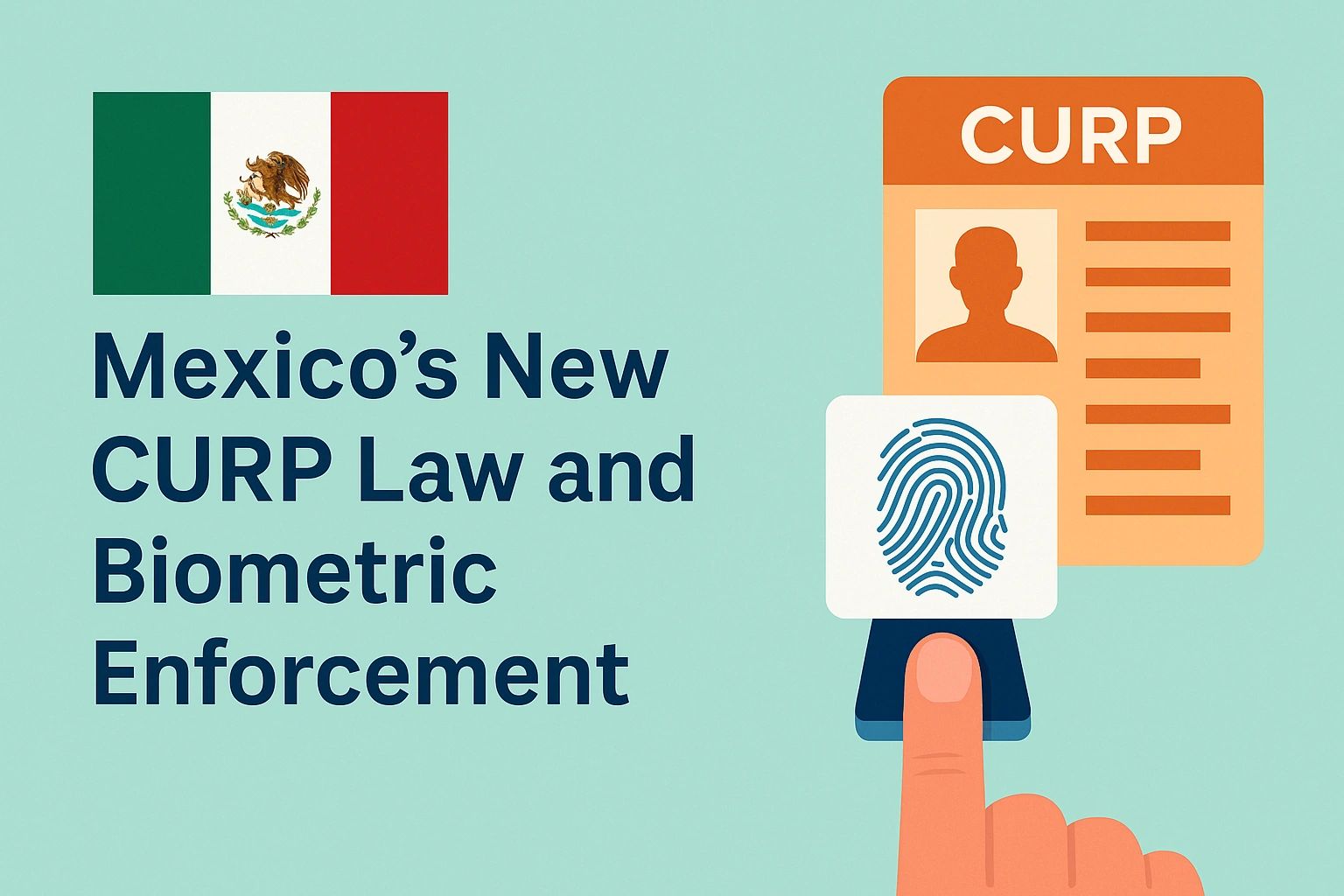
If you're living in Mexico under a temporary or permanent residency visa — whether you're retired, working remotely, or just enjoying life in paradise — a new law is about to change how you spend money... and how the Mexican government sees your income.
Mexico Considers You a Tax Resident
Here's the key fact many expats don't know: if you live in Mexico for more than 183 days a year — even part-time — you're legally considered a tax resident. This means that in theory, you're supposed to report and pay taxes in Mexico on your worldwide income.
In practice? Most expats and digital nomads haven't. Until now, that's been easy to get away with.
What's Changing: CURP Required for Everyday Spending
The Mexican government is rolling out a digital tracking system that requires your CURP (Mexico's personal ID number) to be linked to almost every purchase or transaction.
You'll now be asked for your CURP when:
- Renting a house or apartment
- Paying for internet, utilities, or your phone plan
- Opening a bank account
- Subscribing to Netflix, Amazon, or Spotify
- Buying groceries or shopping online
Everything you spend will leave a digital trail tied to your name and ID.
Why This Matters
The tax authority in Mexico (SAT) can now see what you spend and compare it to what you report. If you're spending like a king but reporting nothing, that triggers a red flag — and possibly an audit.
This matters even if your income comes from abroad. If you live in Mexico, it doesn't matter where your clients or retirement checks come from.
Fines and Penalties Are Real
Some news outlets report that businesses could face fines of up to 3 million pesos if they fail to require CURPs from customers — and while the law doesn't specify that exact number, it does allow significant penalties.
The bottom line: the government is getting serious.
Wait — Fingerprint Scanners at Checkout?
Yes, that's what's coming next.
As part of the CURP modernization process, Mexico is linking biometric data — including fingerprints — to every individual's CURP. Some government agencies already collect this, and private businesses will soon be required to verify identities at the point of sale using biometric tools like fingerprint scanners.
This means that in the near future:
- Supermarkets, banks, and telecom providers may use fingerprint readers at checkout
- Your CURP will no longer be just a number — it will be linked to your face, fingerprint, and digital trail
- All your spending can be easily tracked, matched, and audited by the SAT
This isn't science fiction — it's already being tested in parts of the country. The goal? To eliminate identity fraud, close tax loopholes, and digitize every part of the Mexican economy.
A Word on Privacy
Whether you're a retiree, remote worker, or entrepreneur living in Mexico, it's important to understand the growing digital and biometric footprint you're leaving behind.
While the CURP system is intended to streamline services and fight tax evasion, it also means less anonymity and more accountability — especially for those who haven't yet declared income in Mexico.
What You Should Do Now
- Check your residency status. If you're here more than 183 days a year, you're likely considered a Mexican tax resident.
- Talk to a tax professional familiar with both Mexican and international tax laws.
- Register for your RFC (Mexico's tax ID) if you haven't already.
- Stay compliant — it's better (and safer) to fix it proactively than wait for a knock on the door.
Helpful References
- Código Fiscal de la Federación (CFF), Arts. 9, 42, 84
- Ley del Impuesto Sobre la Renta (LISR), Art. 9
- DOF — CURP Required in Transactions, April 2024
- SAT CFDI 4.0 Rules
This article is general information and is not legal or tax advice for any particular matter. Laws change and every situation differs. Speak to a professional before acting on it.